Improving clean water access for schoolchildren in India

Type of Change:  Boundary Level:  Summary/Theme: After arsenic was detected in drinking water, the Assam and Biharcommunities were trained on various arsenic mitigation methods that reduced illness and improved the quality of the water. Ananta Khanikar was concerned. The students at Melamati Government Junior Basic School in India, where Ananta is Headmaster, kept getting sick. The […]

Improving clean water access for schoolchildren in India Read More »

IWRM: Gender, Human Rights-Based Approach Courses to Reopen on August 1

Following a successful run, two online courses covering gender-inclusive and human rights-based approaches to Integrated Water Resources Management (IWRM) are set to re-open on the Cap-Net Virtual Campus on August 1. Both courses are free of cost and can be completed at the participants’ own pace. Gender and IWRM In 2021, 900+ water professionals signed

IWRM: Gender, Human Rights-Based Approach Courses to Reopen on August 1 Read More »

Key Messages from Indigenous Peoples and Local Communities Forum on Water – Dushanbe Water Process

In the context of the Indigenous Peoples and Local Communities Forum: inclusive approaches to water in ecosystems, land, agriculture, and knowledge development, the two Rapporteurs would like to provide five key messages/outcomes of the Forum. 1. Systemic approach Acknowledging that water supports all life on earth and plays an imperative, if not unique, role in

Key Messages from Indigenous Peoples and Local Communities Forum on Water – Dushanbe Water Process Read More »

Rights of nature, rivers a major theme at UN-led Indigenous Peoples and Local Communities Forum

“We say that both man and water are part of nature. We need to respect nature. When we try to control nature and water, it ends sadly.” Chief Viacheslav Shadrin closed the first Indigenous Peoples and Local Communities Forum on the Water Action Decade with this saying in the Yukhagir language from Western Siberia. Shadrin

Rights of nature, rivers a major theme at UN-led Indigenous Peoples and Local Communities Forum Read More »

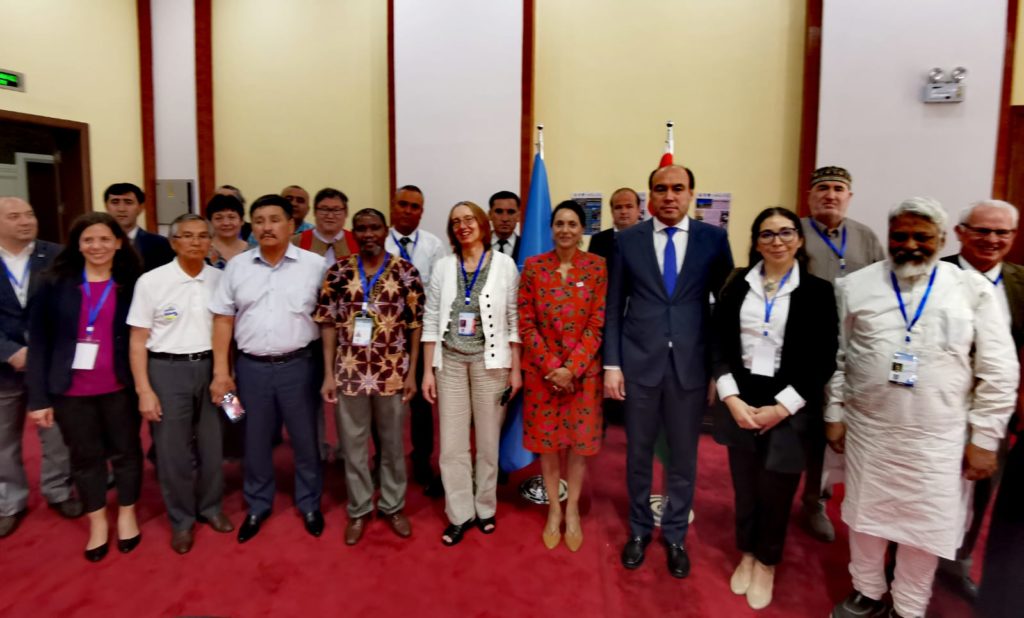
6 June: Indigenous Peoples and Local Communities Forum: inclusive approaches to water in ecosystems, land, agriculture, and knowledge development

PLEASE NOTE THAT THIS SESSION IS BEING RECORDED Indigenous Peoples and local communities have important and long-standing connections with their local water bodies. As the impact of climate change deepens, it is increasingly critical to reach these communities, especially as their understanding of water and the environment can offer a more contextualised perspective. The “Indigenous

6 June: Indigenous Peoples and Local Communities Forum: inclusive approaches to water in ecosystems, land, agriculture, and knowledge development Read More »

Strengthening the South-South perspective in water training

“Internationalizing the curricula through South-South Partnerships” workshop was organized by OBRAL Global (https://obsglob.org/es/sobre-nosotros#historia) an international association committed to South-South-North higher education partnerships. It was held on April 18 and 20 as a pre-conference activity for the 2022 conference of the Brazilian Association of International Education (FABUAI- https://faubai.org.br/conf/2022/). During the workshop, initiatives and case studies for

Strengthening the South-South perspective in water training Read More »

Empowering Youth to address water scarcity in the Uva Province in Sri Lanka

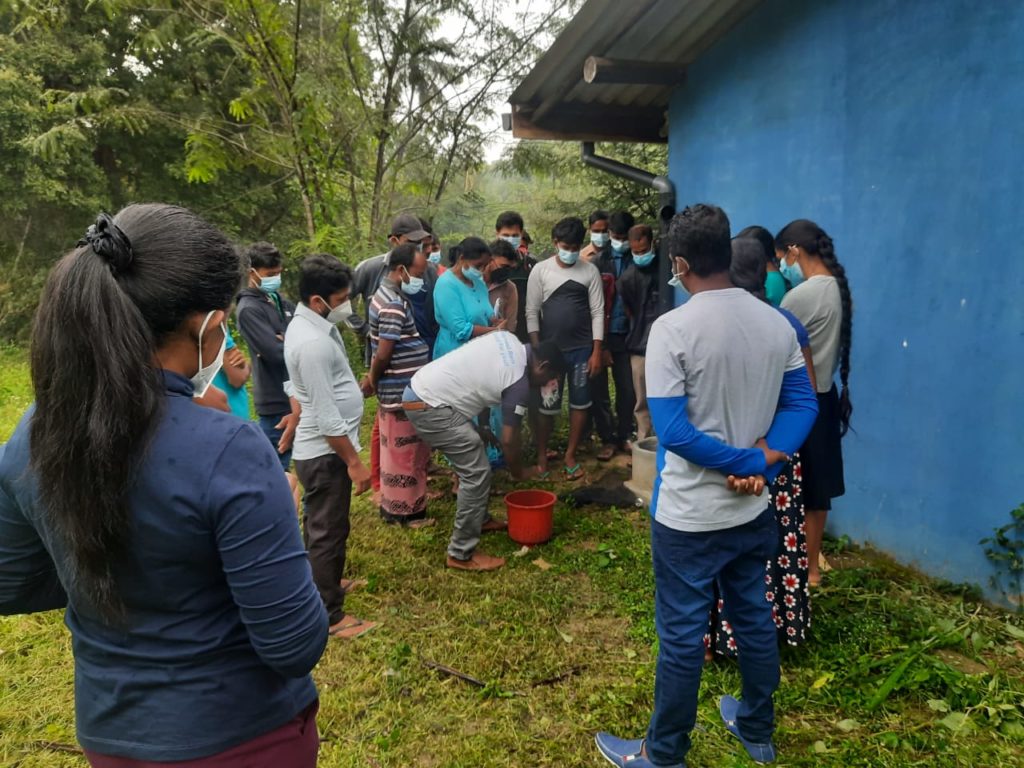
Sri Lanka’s UVA province has received a boost in water conservation capacity, as 47 young people have acquired the knowledge to construct Rainwater Harvesting Systems (RWH). In the recently concluded Rainwater Harvesting System Construction Training Program targeting the Badulla and Monaragala districts, 32 women and 15 men received hands-on training from various water professionals on

Empowering Youth to address water scarcity in the Uva Province in Sri Lanka Read More »